




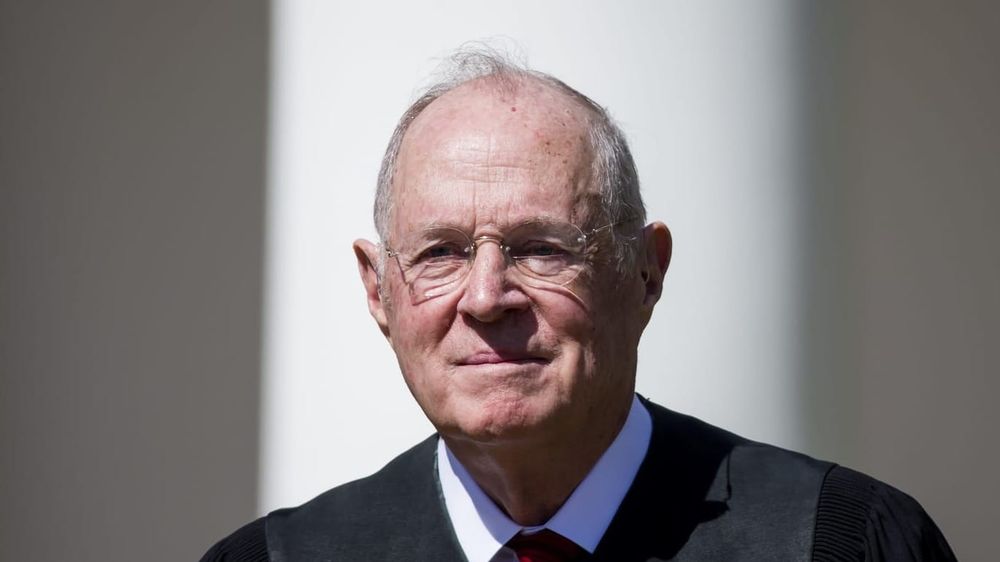
Romer, Lawrence, Citizens United, Windsor and Obergefell: five opinions Anthony Kennedy wrote for the Court between 1996 and 2015.
Justice Profile
Lochner to Hoffman Plastic: how the Court moved from striking down hours and wage laws to upholding them, and then to who is covered.
SCOTUS
From Brown in 1954 to Zelman in 2002: school segregation, school funding, language instruction, suspensions and vouchers.
Education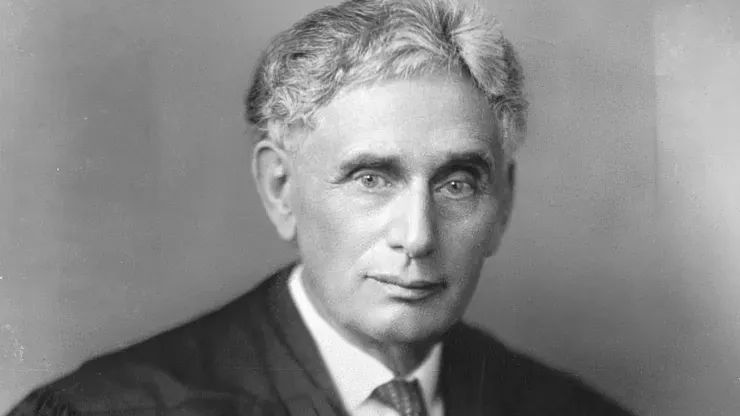
More speech, the right to be let alone, states as laboratories: four Brandeis separate opinions and the Erie decision he wrote for the Court.
Justice Profile
From Bowers in 1986 to Bostock in 2020: how the Court's decisions on sodomy laws, marriage and employment changed.
SCOTUS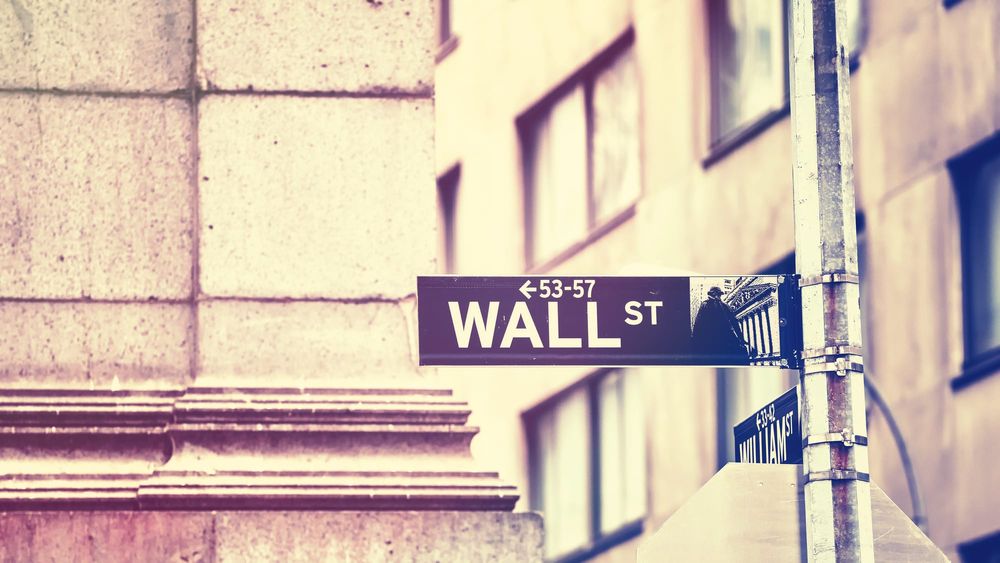
From Dartmouth College in 1819 to Citizens United in 2010: charters, commerce, antitrust and political speech.
SCOTUS
From black armbands in 1969 to a Snapchat post in 2021: what Tinker, Fraser, Hazelwood, Morse and Mahanoy decided about student speech.
SCOTUS
The rule religious groups have spent 30 years trying to get the Supreme Court to drop is one that treats everyone the same. Four eras of free exercise cases, and what each one decided.
SCOTUS
From Graham in 1966 to Myriad in 2013: obviousness, living organisms, business methods and isolated genes.
Copyright Law
From Reynolds in 1879 to Lukumi in 1993: belief and action, compelling interests and neutral laws.
Religion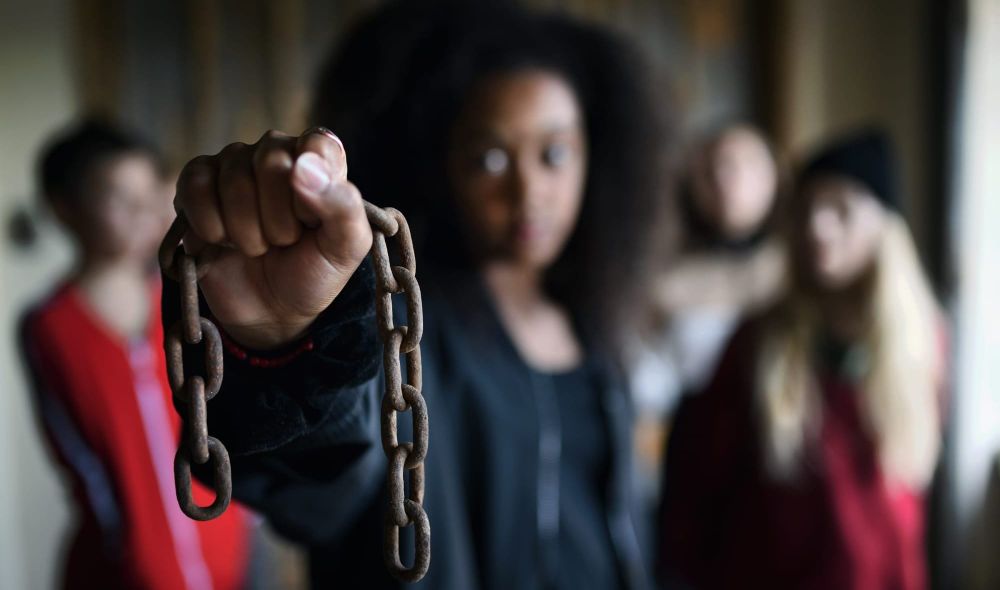
The Court held in 1857 that descendants of enslaved people were not citizens and that Congress could not ban slavery in a territory. Two amendments answered it.
Scholar's Series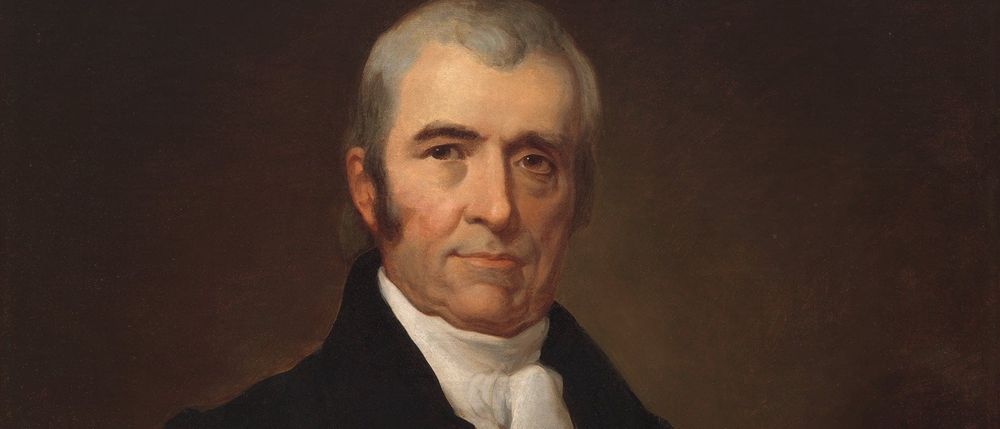
Explore the life and legacy of John Marshall, a pivotal figure in American history. As Chief Justice, his landmark decisions helped shape the Supreme Court's authority, defining its role within our constitutional framework. Discover how Marshall transformed U.S judiciary system forever.
Justice Profile