








The House elected in November 2026 was chosen partly inside maps redrawn mid-decade for partisan advantage. A 5-4 ruling from 2019, Rucho v. Common Cause, explains why federal judges stayed out and who can still check partisan maps.
SCOTUS
When a race is closer than the counting tools can measure, someone has to decide what a vote is. Here's what the Supreme Court decided in Bush v. Gore, why it called the ruling limited, and how lawyers still use it.
SCOTUS
The Constitution gives Congress the power to set tariffs. Since 1890, Congress has lent it to the president again and again. Here are the Supreme Court cases that explain today's fight over who sets America's tariffs.
SCOTUS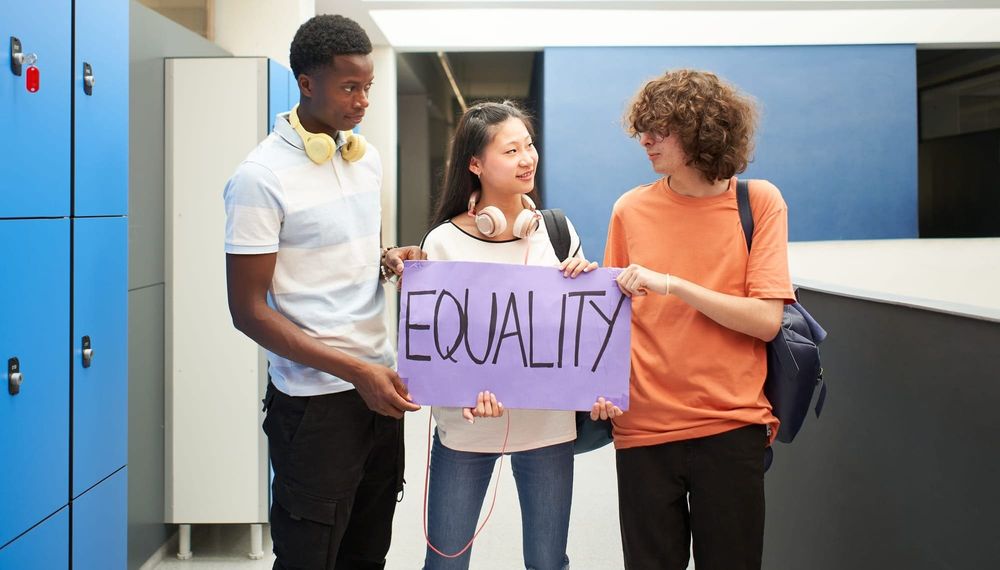
Discover how Plessy v. Ferguson (1896) entrenched 'separate but equal,' shaping racial segregation laws until Brown v. Board of Education (1954) overturned this precedent, redefining civil rights and influencing future landmark cases like Grutter v. Bollinger (2003).
Scholar's Series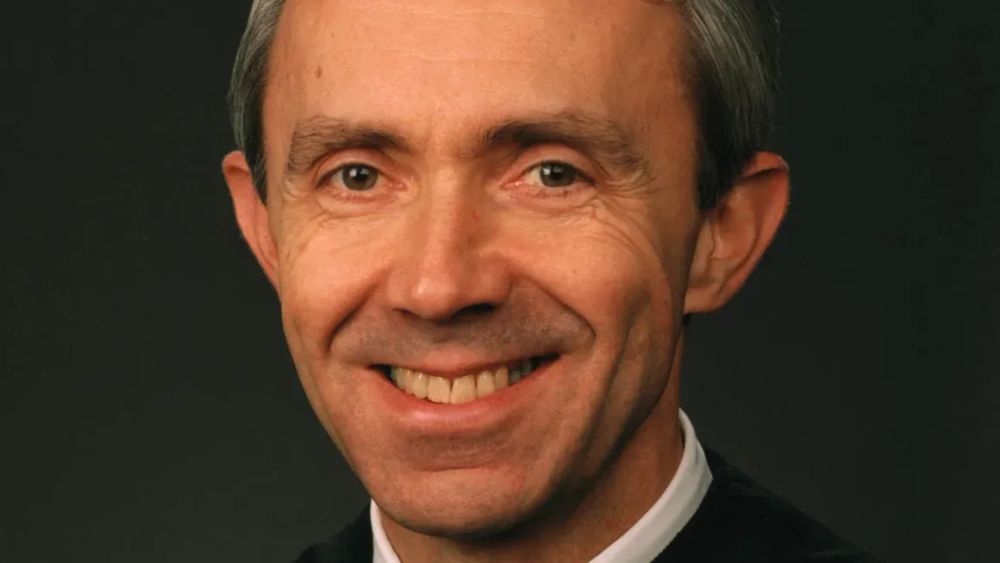
Justice David Souter's tenure on the Supreme Court defied expectations as he shifted from conservative roots to a more liberal stance. Key rulings in Planned Parenthood v. Casey and Lee v. Weisman highlight his pivotal role in shaping constitutional rights.
Justice Profile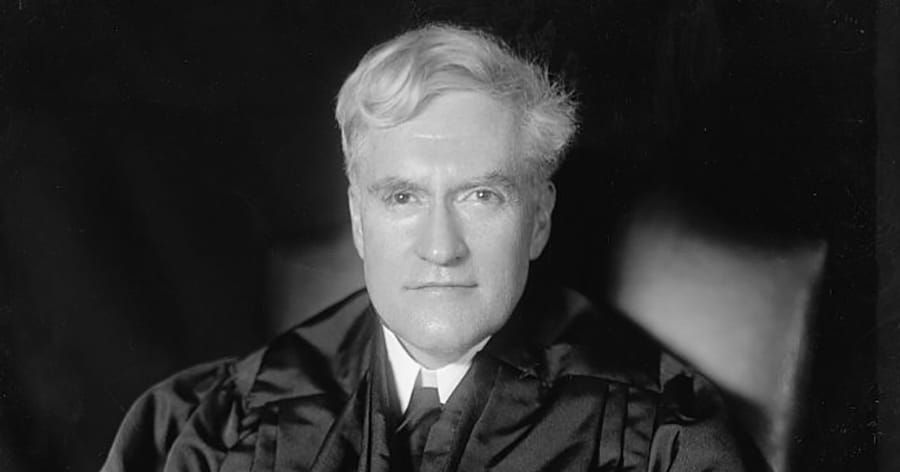
From the Texas white primary to Social Security: five Cardozo opinions, four for the Court and one a lone dissent.
SCOTUS
Reno, Packingham, Moody v. NetChoice and Free Speech Coalition v. Paxton: how the Court has applied the First Amendment online.
First Amendment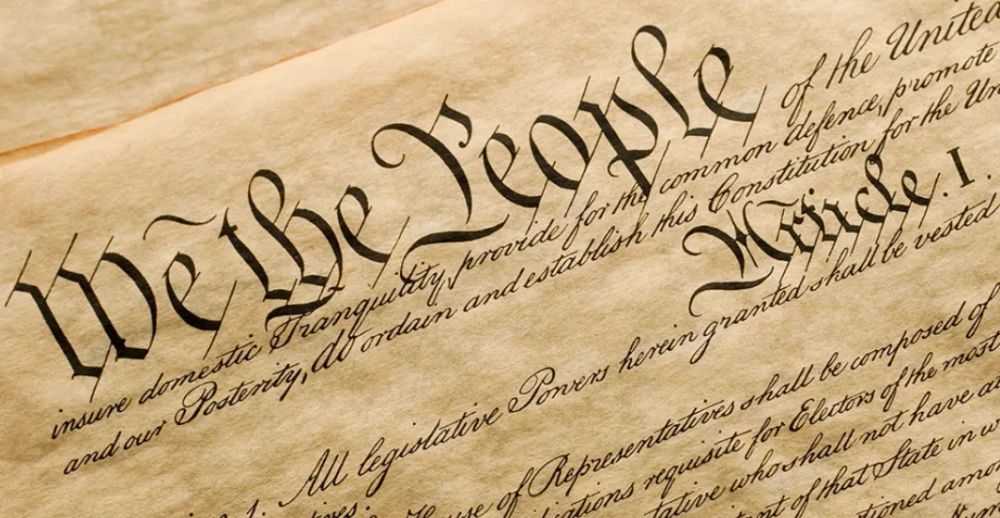
The Court has rarely needed the ban on quartering soldiers. Four cases show how justices have used it, from the steel seizure to Laird v. Tatum.
Amendment Series
Roth, Stanley, Miller, Paris Adult Theatre and Ashcroft: how the Court has defined obscenity and where it stops.
SCOTUS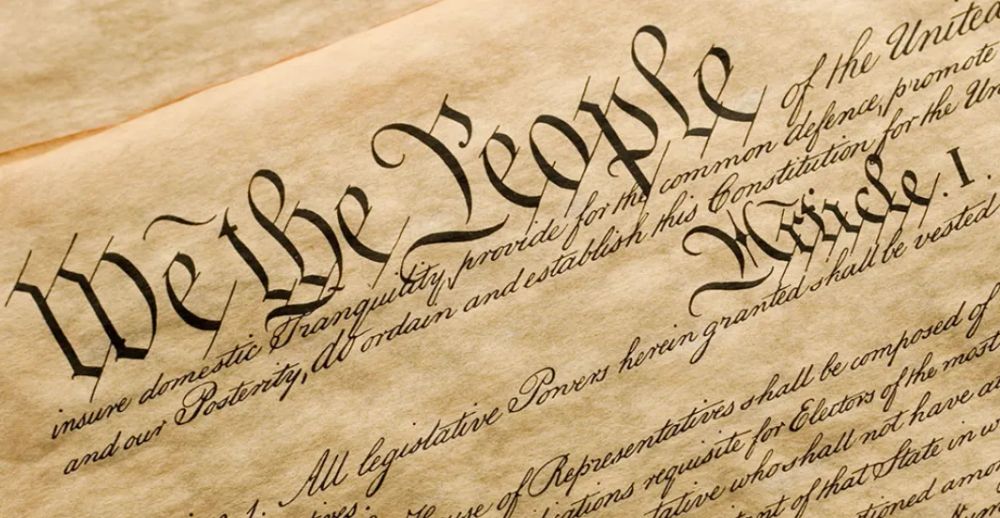
From Mapp to Carpenter: how the Court has applied the ban on unreasonable searches to evidence, phone booths, stops, phones and location records.
Amendment Series
Discover the 5th Amendment's pivotal role in safeguarding justice, highlighted by landmark Supreme Court cases like Miranda v. Arizona. These rulings fortify due process and protect against self-incrimination, ensuring fairness in the legal system for all.
Amendment Series
Discover how the Supreme Court navigates emerging tech with pivotal rulings like Kyllo v. United States, affirming privacy against unwarranted searches, and City of Ontario v. Quon, shaping digital privacy in workplaces. Essential insights for legal minds.
Emerging Technology