




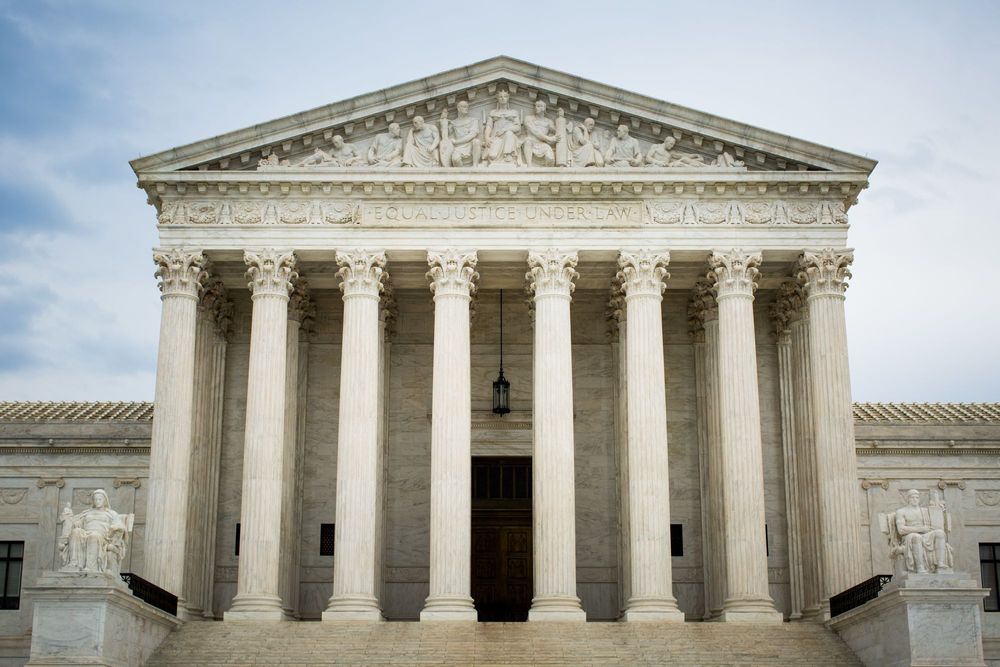

When a race is closer than the counting tools can measure, someone has to decide what a vote is. Here's what the Supreme Court decided in Bush v. Gore, why it called the ruling limited, and how lawyers still use it.
SCOTUS
The Constitution gives Congress the power to set tariffs. Since 1890, Congress has lent it to the president again and again. Here are the Supreme Court cases that explain today's fight over who sets America's tariffs.
SCOTUS
Discover how Plessy v. Ferguson (1896) entrenched 'separate but equal,' shaping racial segregation laws until Brown v. Board of Education (1954) overturned this precedent, redefining civil rights and influencing future landmark cases like Grutter v. Bollinger (2003).
Scholar's Series
Justice David Souter's tenure on the Supreme Court defied expectations as he shifted from conservative roots to a more liberal stance. Key rulings in Planned Parenthood v. Casey and Lee v. Weisman highlight his pivotal role in shaping constitutional rights.
Justice Profile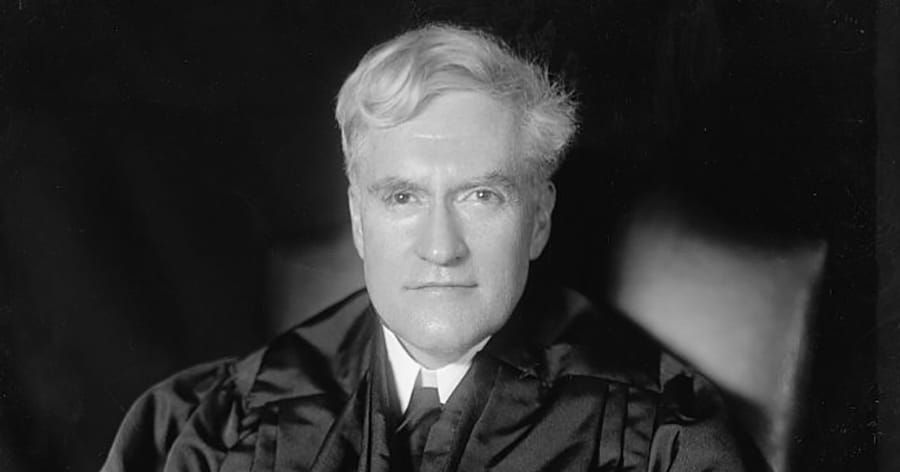
From the Texas white primary to Social Security: five Cardozo opinions, four for the Court and one a lone dissent.
SCOTUS
Reno, Packingham, Moody v. NetChoice and Free Speech Coalition v. Paxton: how the Court has applied the First Amendment online.
First Amendment
Roth, Stanley, Miller, Paris Adult Theatre and Ashcroft: how the Court has defined obscenity and where it stops.
SCOTUS
From Chy Lung in 1876 to Arizona in 2012: who controls immigration, who is a citizen, and what states cannot do.
SCOTUS
Cruikshank, Heller, McDonald, Bruen and Rahimi: how the Court went from a limit on Congress to a history test for gun laws.
SCOTUS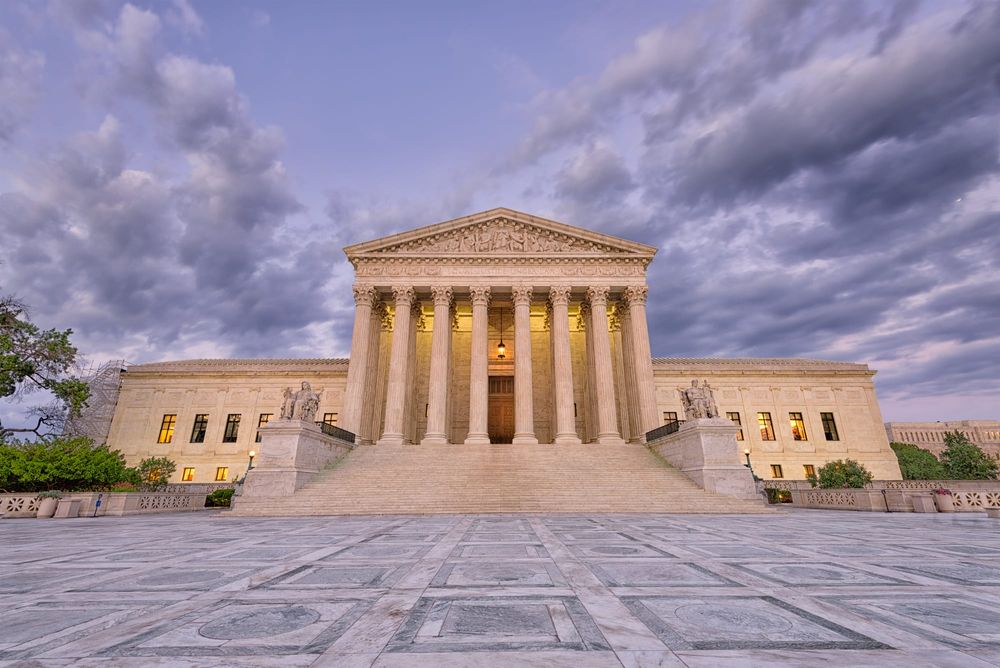
Marbury won his right to a commission and lost his case. The Court's opinion in 1803 is the source of judicial review.
SCOTUS
From the Prize Cases in 1863 to Slaughter-House in 1873: the blockade, Reconstruction, secession and the Fourteenth Amendment.
SCOTUS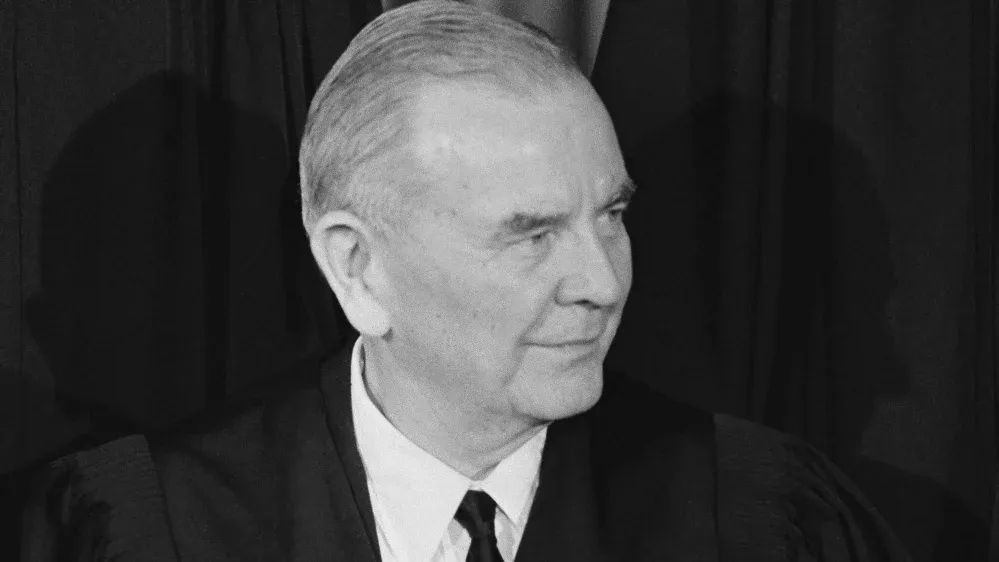
Baker v. Carr to Texas v. Johnson: five opinions Brennan wrote for the Court on voting, libel, welfare hearings, gender and the flag.
SCOTUS