









Marbury won his right to a commission and lost his case. The Court's opinion in 1803 is the source of judicial review.
SCOTUS
Delve into the pivotal Supreme Court rulings that define First Amendment freedoms. From Schenck's "clear and present danger" test to other landmark cases, discover how these decisions continue to shape the landscape of American liberty and legal interpretation.
Amendment Series
The amendment that says the Bill of Rights is not the whole list of rights, and the four cases where justices have used it, from Griswold to Dobbs.
Amendment Series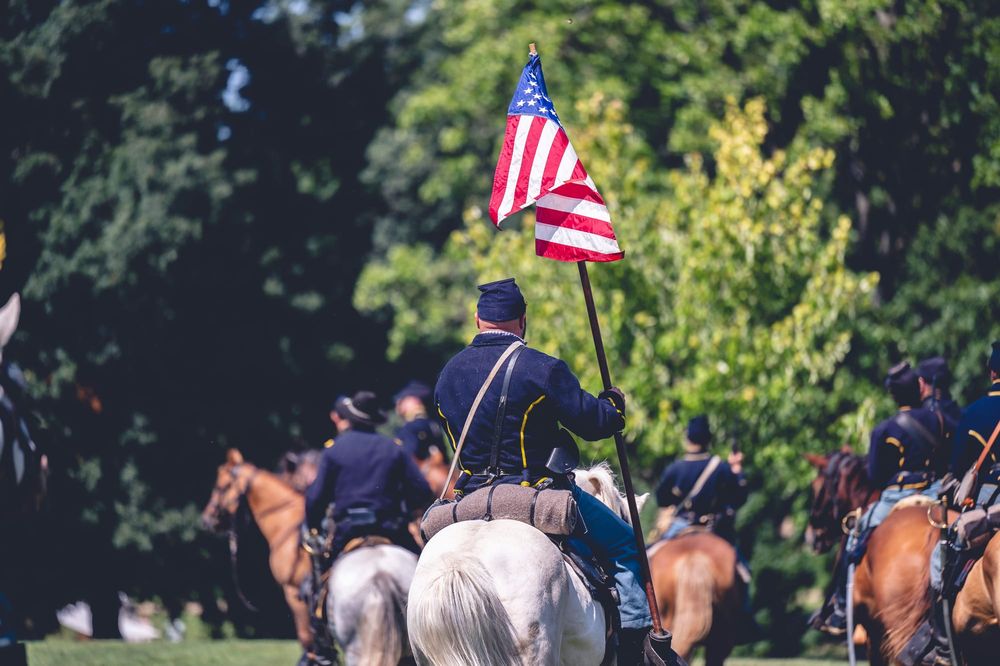
From the Prize Cases in 1863 to Slaughter-House in 1873: the blockade, Reconstruction, secession and the Fourteenth Amendment.
SCOTUS
The 16th Amendment transformed U.S. fiscal policy by empowering Congress to tax incomes, a pivotal shift upheld by landmark cases like Pollock v. Farmers' Loan & Trust Co. This authority fuels economic strategy and addresses social challenges, shaping today's legal landscape.
Amendment Series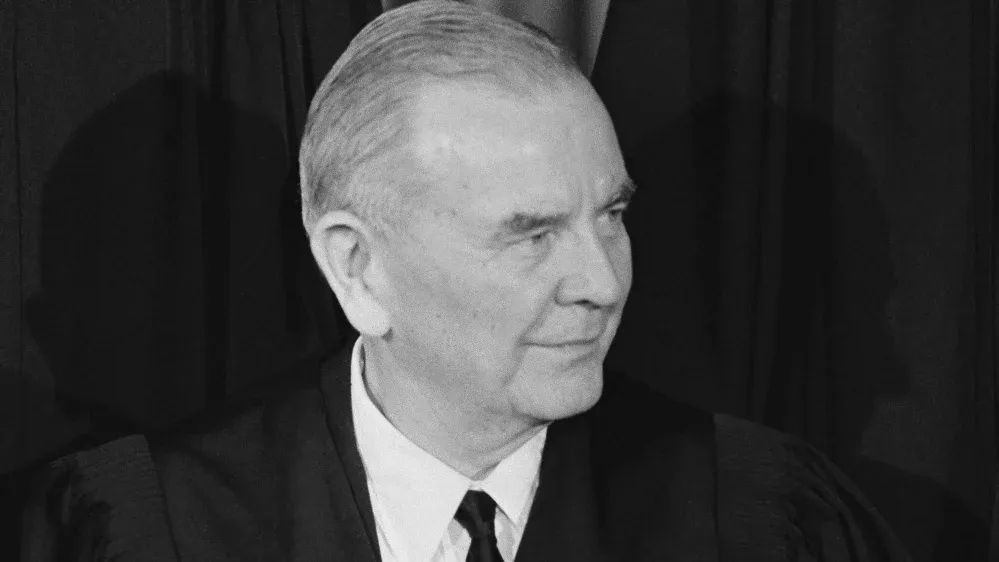
Baker v. Carr to Texas v. Johnson: five opinions Brennan wrote for the Court on voting, libel, welfare hearings, gender and the flag.
SCOTUS
Delve into the Tenth Amendment's crucial role in delineating federal and state powers. Key Supreme Court cases like United States v. Lopez underscore its impact on defining state sovereignty and federal limits, shaping the landscape of American governance.
Amendment Series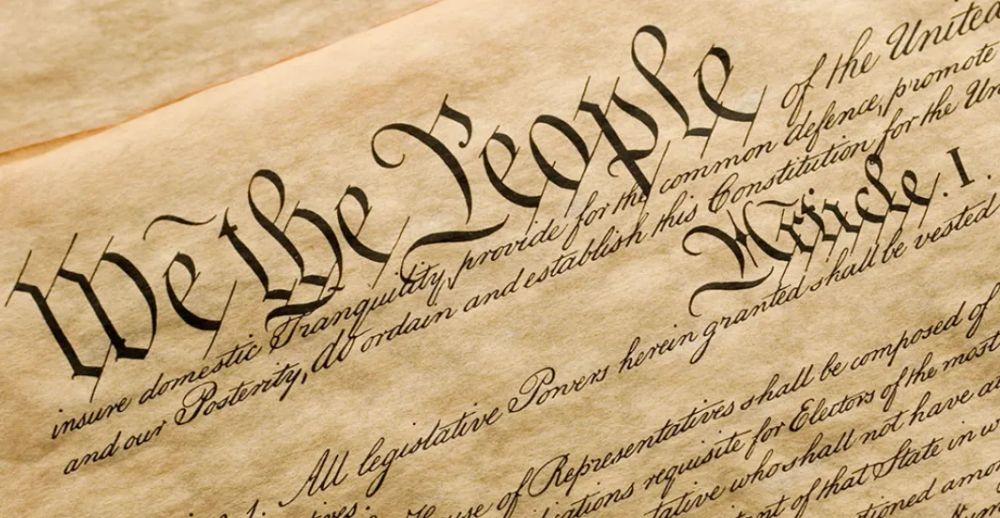
The 17th Amendment transformed Senate elections, empowering voters directly and reshaping federal representation. Landmark cases like Baker v. Carr further defined this democratic evolution, reinforcing the judiciary's role in electoral fairness.
Amendment Series
From the census citizenship question in 2019 to 303 Creative in 2023: five decisions on agency reasons, religious exercise, voting rules, guns and speech.
SCOTUS
From Marbury in 1803 to Bush v. Gore in 2000: five opinions and the different ways the Court has written them.
Legal Writing
From a Minnesota county that kept $25,000 it was not owed to a century of cases on what the Fifth Amendment makes a government pay for.
SCOTUS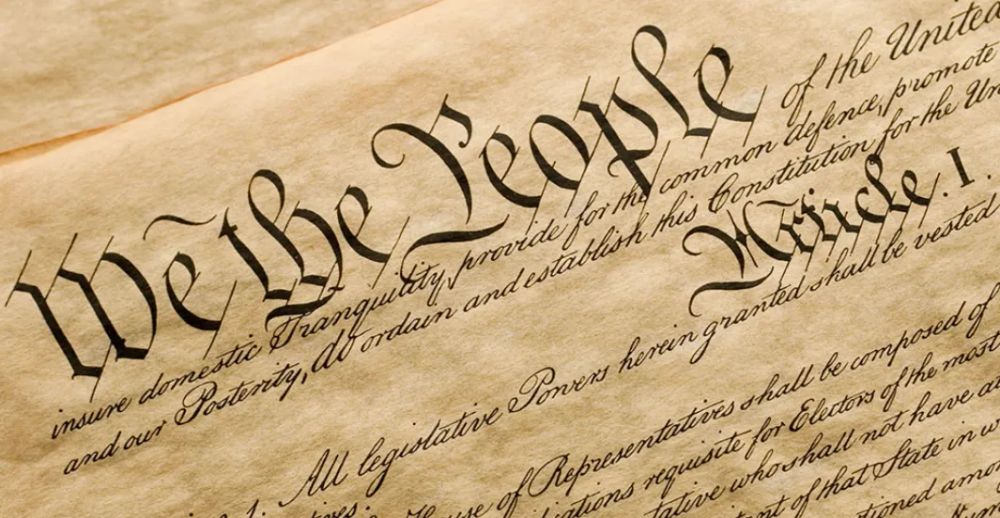
Explore the 18th Amendment's legacy through pivotal Supreme Court cases like the National Prohibition Cases (1920), which expanded Congressional power under constitutional amendments, reshaping federal-state dynamics and influencing modern legal interpretations.
Amendment Series