



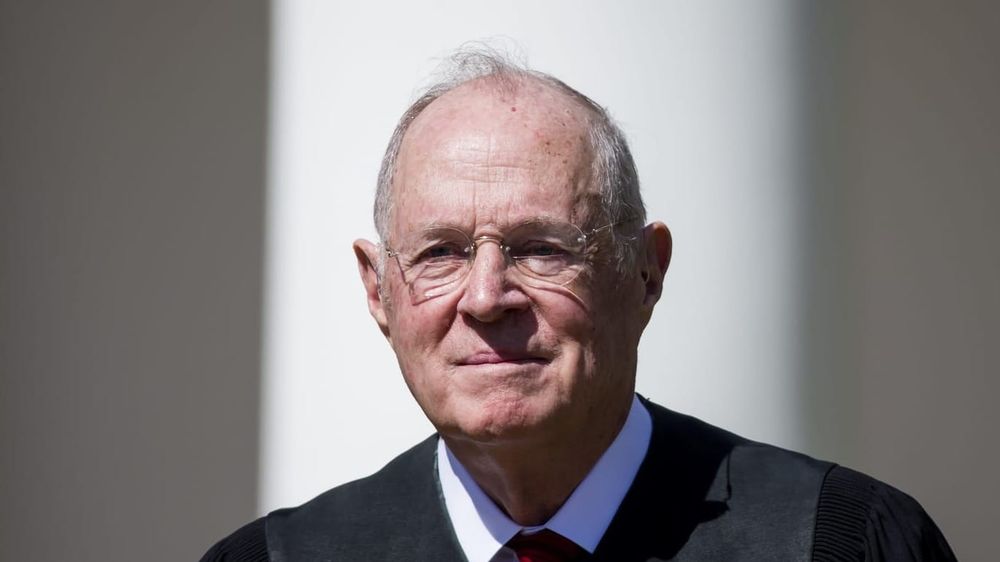
Romer, Lawrence, Citizens United, Windsor and Obergefell: five opinions Anthony Kennedy wrote for the Court between 1996 and 2015.
Justice Profile
Lochner to Hoffman Plastic: how the Court moved from striking down hours and wage laws to upholding them, and then to who is covered.
SCOTUS
From Brown in 1954 to Zelman in 2002: school segregation, school funding, language instruction, suspensions and vouchers.
Education
More speech, the right to be let alone, states as laboratories: four Brandeis separate opinions and the Erie decision he wrote for the Court.
Justice Profile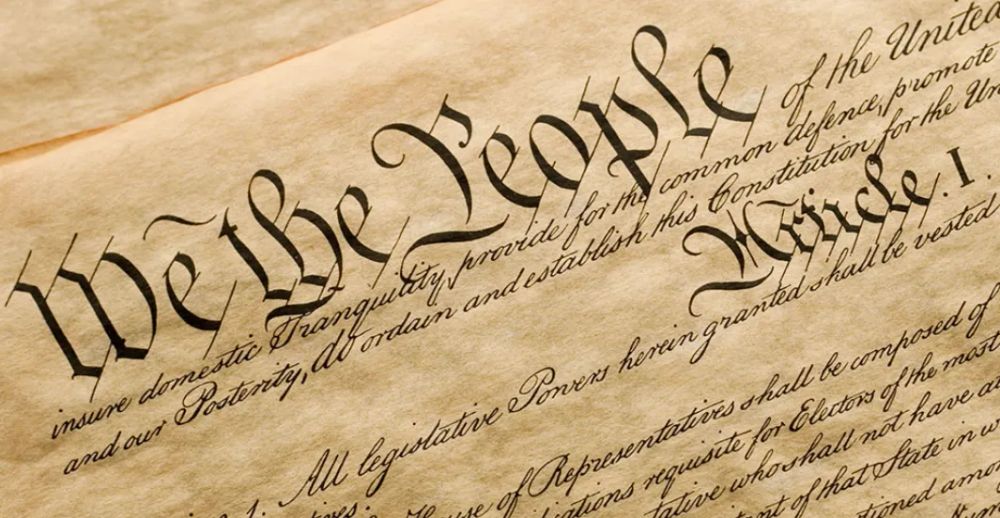
From the Grandfather Clause to Brnovich: how the Court has read the ban on denying the vote because of race.
Amendment Series
From Bowers in 1986 to Bostock in 2020: how the Court's decisions on sodomy laws, marriage and employment changed.
SCOTUS
From Dartmouth College in 1819 to Citizens United in 2010: charters, commerce, antitrust and political speech.
SCOTUS
From black armbands in 1969 to a Snapchat post in 2021: what Tinker, Fraser, Hazelwood, Morse and Mahanoy decided about student speech.
SCOTUS
From Graham in 1966 to Myriad in 2013: obviousness, living organisms, business methods and isolated genes.
Copyright Law
From Reynolds in 1879 to Lukumi in 1993: belief and action, compelling interests and neutral laws.
Religion
The Court held in 1857 that descendants of enslaved people were not citizens and that Congress could not ban slavery in a territory. Two amendments answered it.
Scholar's Series
A nonpartisan Election Day guide to ten Supreme Court decisions that shape who votes and how, from Dred Scott to Brnovich, updated with the Court's 2025-26 voting cases.
Voting Rights