





Roth, Stanley, Miller, Paris Adult Theatre and Ashcroft: how the Court has defined obscenity and where it stops.
SCOTUS
From Chy Lung in 1876 to Arizona in 2012: who controls immigration, who is a citizen, and what states cannot do.
SCOTUS
Cruikshank, Heller, McDonald, Bruen and Rahimi: how the Court went from a limit on Congress to a history test for gun laws.
SCOTUS
Marbury won his right to a commission and lost his case. The Court's opinion in 1803 is the source of judicial review.
SCOTUS
From the Prize Cases in 1863 to Slaughter-House in 1873: the blockade, Reconstruction, secession and the Fourteenth Amendment.
SCOTUS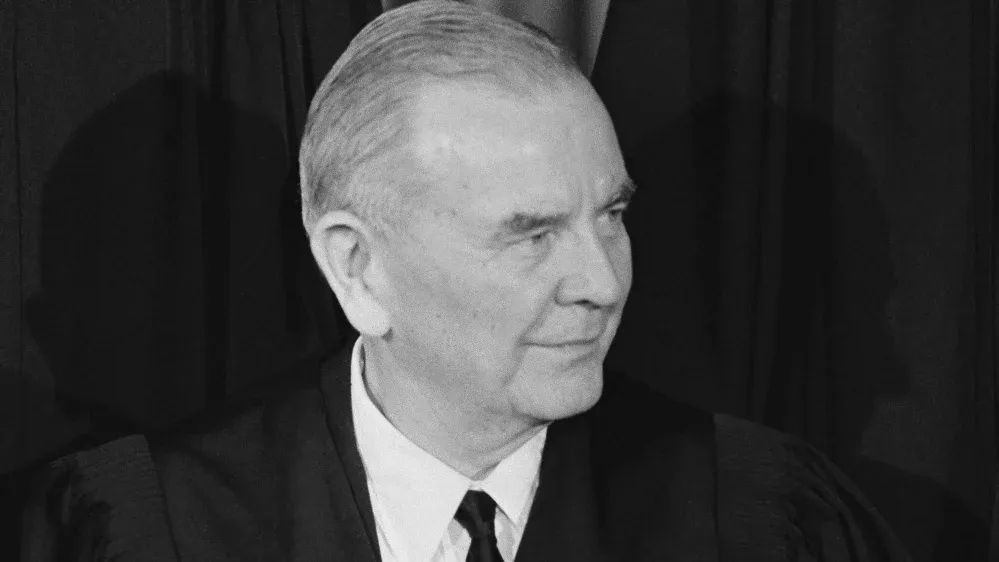
Baker v. Carr to Texas v. Johnson: five opinions Brennan wrote for the Court on voting, libel, welfare hearings, gender and the flag.
SCOTUS
From the census citizenship question in 2019 to 303 Creative in 2023: five decisions on agency reasons, religious exercise, voting rules, guns and speech.
SCOTUS
From Marbury in 1803 to Bush v. Gore in 2000: five opinions and the different ways the Court has written them.
Legal Writing
From a Minnesota county that kept $25,000 it was not owed to a century of cases on what the Fifth Amendment makes a government pay for.
SCOTUS
Furman, Gregg, Coker, Atkins and Roper: how the Court has decided who may be executed, from 1972 to 2005.
SCOTUS
Uncover the Supreme Court's pivotal role in defining federalism through landmark cases like McCulloch v. Maryland and Gibbons v. Ogden. These decisions underscore the enduring tension between national authority and states' rights, shaping legal landscapes today.
Federal v. State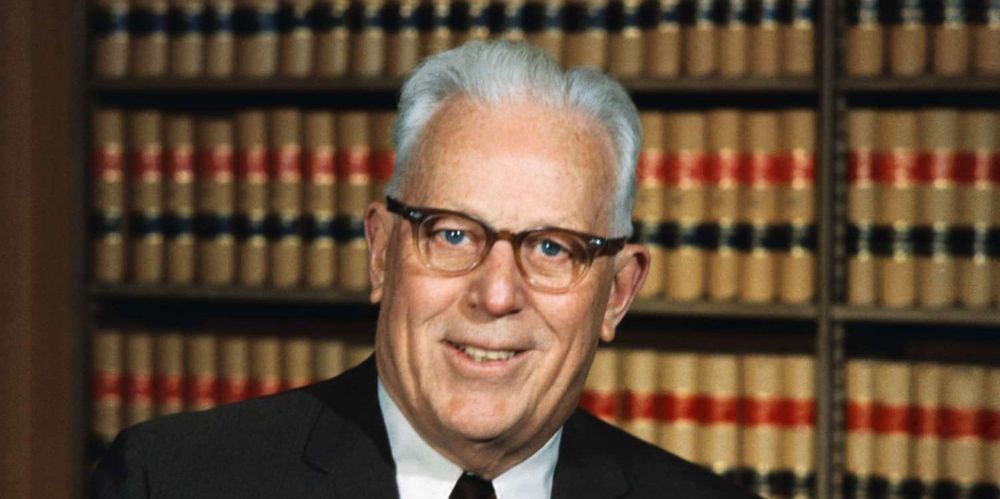
Brown, Bolling, Reynolds, Miranda and Loving: five opinions Earl Warren wrote for the Court between 1954 and 1967.
SCOTUS