




From Gideon to Crawford: how the Court decided who gets a lawyer, how long a trial can wait, and who the accused may face.
Amendment Series
Separate ballots for President and Vice President were the 1804 fix. Four cases show what the amendment leaves to the states, the parties and Congress.
Amendment Series
Cruikshank, Heller, McDonald, Bruen and Rahimi: how the Court went from a limit on Congress to a history test for gun laws.
SCOTUS
What the ban on slavery and involuntary servitude covers: the Civil Rights Cases, peonage, Bailey v. Alabama, Jones v. Mayer and Kozminski.
Amendment Series
Marbury won his right to a commission and lost his case. The Court's opinion in 1803 is the source of judicial review.
SCOTUS
The amendment that says the Bill of Rights is not the whole list of rights, and the four cases where justices have used it, from Griswold to Dobbs.
Amendment Series
From the Prize Cases in 1863 to Slaughter-House in 1873: the blockade, Reconstruction, secession and the Fourteenth Amendment.
SCOTUS
Baker v. Carr to Texas v. Johnson: five opinions Brennan wrote for the Court on voting, libel, welfare hearings, gender and the flag.
SCOTUS
From the census citizenship question in 2019 to 303 Creative in 2023: five decisions on agency reasons, religious exercise, voting rules, guns and speech.
SCOTUS
From Marbury in 1803 to Bush v. Gore in 2000: five opinions and the different ways the Court has written them.
Legal Writing
Furman, Gregg, Coker, Atkins and Roper: how the Court has decided who may be executed, from 1972 to 2005.
SCOTUS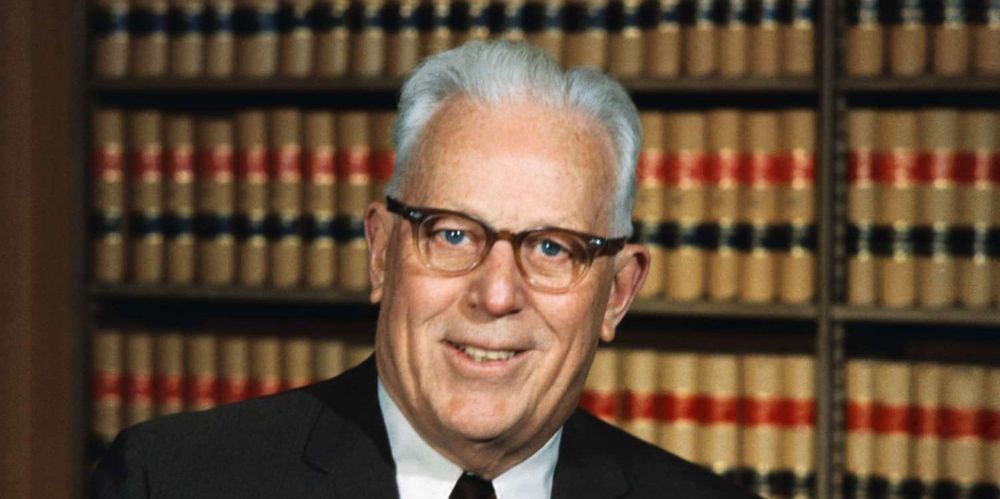
Brown, Bolling, Reynolds, Miranda and Loving: five opinions Earl Warren wrote for the Court between 1954 and 1967.
SCOTUS